It comes down to two things everyone is short on: time and money. Concrete has been the old standard for years. People know what it is. But the way we build concrete pools has not changed much in a long time. It is slow. It is messy. And the bills do not stop once the water is in.
Folks are realizing that fiberglass pools vs concrete pools is not even a fair fight anymore when you look at the long haul, especially when comparing pool upgrade or rebuild options side by side. With concrete, you are signing up for months of construction noise, and then you are signing up for expensive resurfacing every ten years or so. A 2026 concrete pool can cost anywhere from $50,000 up to $120,000 or more to put in. But the real sting comes later. You will pay hundreds for acid washes every few years and then drop another $8,000 to $10,000 to resurface the whole thing when it gets rough.
A fiberglass pool costs less to put in, usually starting around $50,000 and often topping out well before a concrete job would, which is why many homeowners start asking how much does a pool upgrade cost before committing. And over the next ten years, the maintenance on a fiberglass pool might run you around $4,000. For concrete, that number can jump up to $27,000. That is a huge difference for the same amount of swimming.
When Does a Concrete Pool Become a Headache?
The headache usually starts after about five to seven years. Concrete is tough, but it is also rough and full of tiny holes. That rough surface is perfect for algae to grab onto. It means you have to scrub more and use more chemicals. And the ground moves. It always does. Concrete does not like to move, so it cracks. You can get something called “concrete cancer” where the steel inside the walls starts to rust and break apart, and fixing that is a nightmare that can cost as much as the pool itself.
A fiberglass shell is different. and many homeowners start to notice the long-term fiberglass pool restoration benefits as it is smooth like a bathtub. Algae has a really hard time sticking to it. Because the surface is not rough and porous, you can use up to 30% fewer chemicals to keep the water clean and clear. And when the ground shifts a little, fiberglass can flex just a bit. It does not crack like concrete does. This means no big repair bills sneaking up on you.
How Long Does It Take to Actually Swim?
This is the part that shocks most people. If you order a concrete pool today, you are looking at three to six months of your yard being a construction site. There is digging, building a steel frame, spraying the concrete, and then waiting for it to cure for about a month. It feels like it takes forever.
Here is the difference: A fiberglass pool shell is made in a factory and delivered on a truck as part of a streamlined Fiberglass pool installation process. Once the hole is dug, the shell goes in, and you can be swimming in a matter of days or a couple of weeks. Instead of losing your whole summer to construction, you might lose half a month. That speed is a huge reason why fiberglass is taking over.
Where Does Fiberglass Fit in My Backyard?
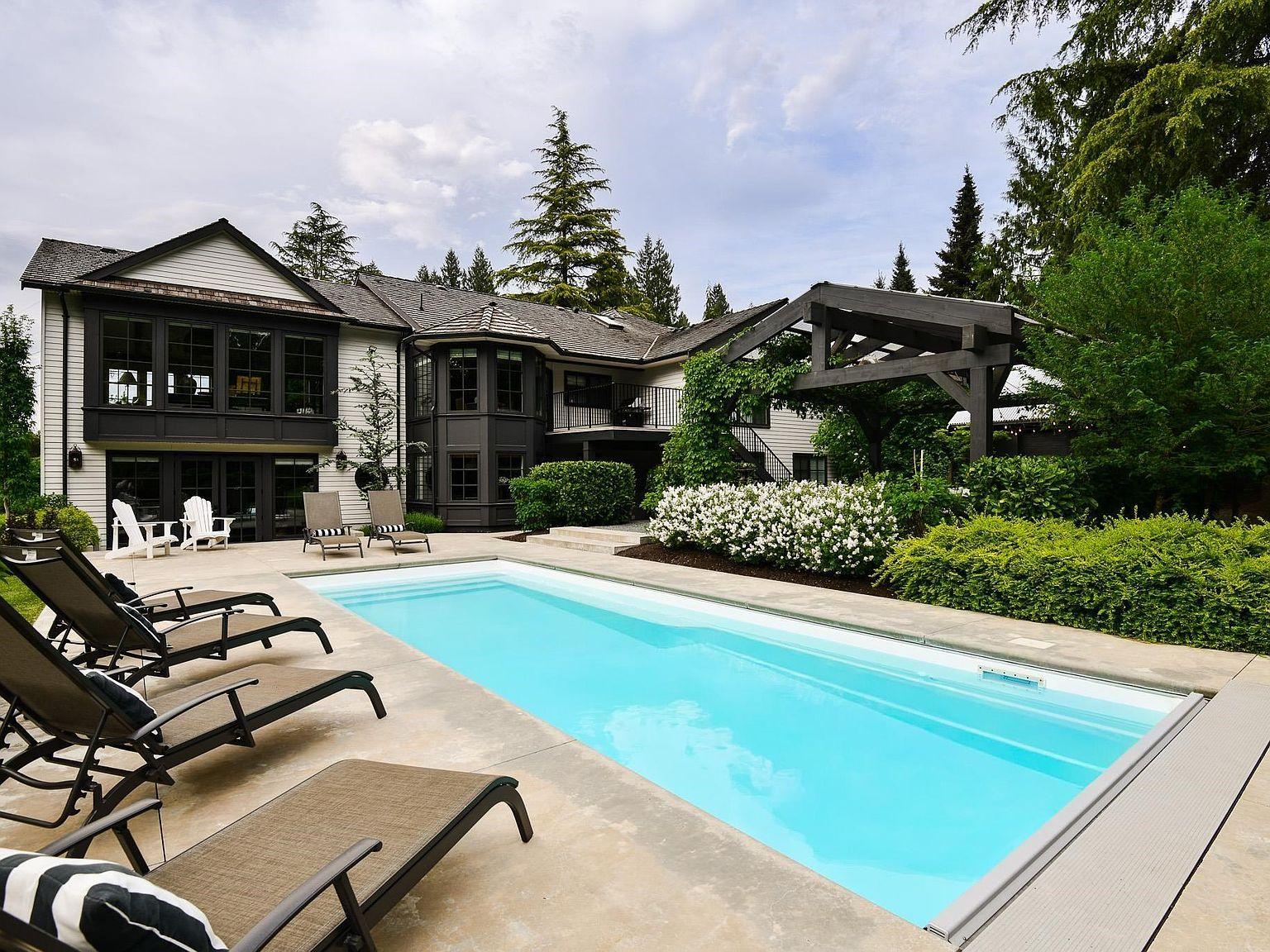
You might have heard that you cannot get a cool shape with fiberglass. That used to be true. Back in the day, you got a rectangle or a kidney bean, and that was it. But that has changed a lot. Manufacturers are using better molds now. You can get tanning ledges, built-in benches, and all sorts of shapes that look custom without the custom concrete price tag.
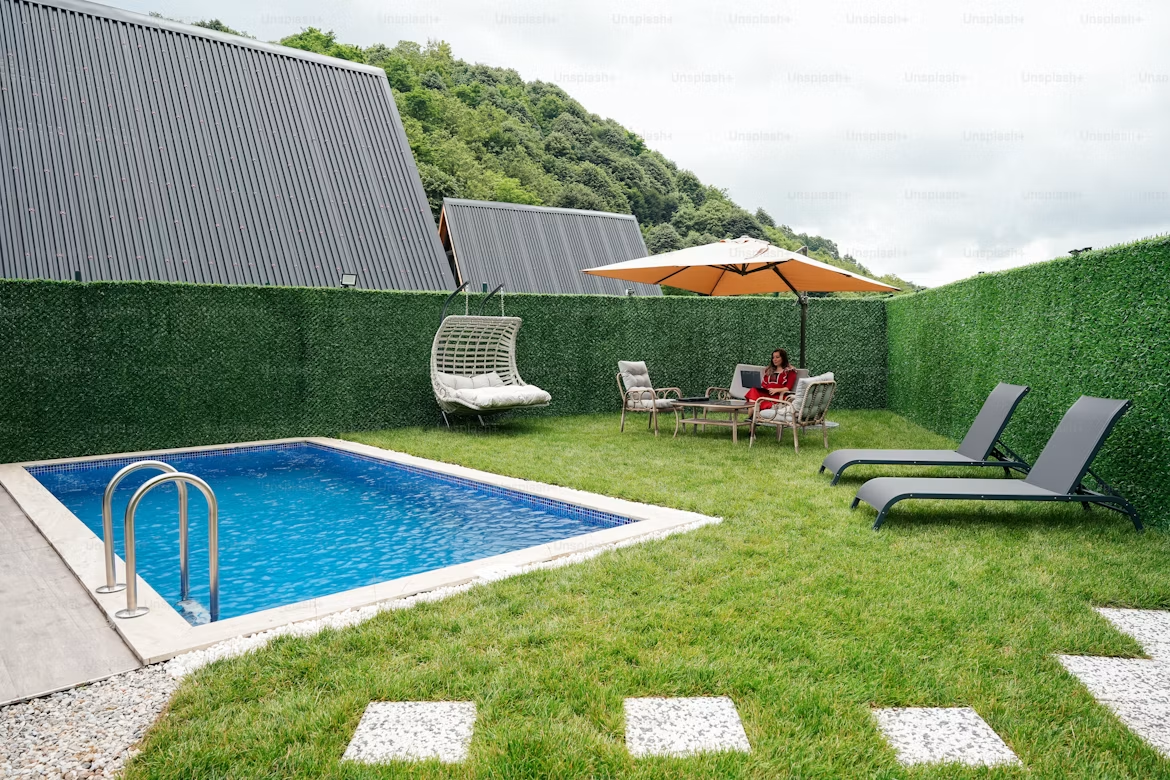
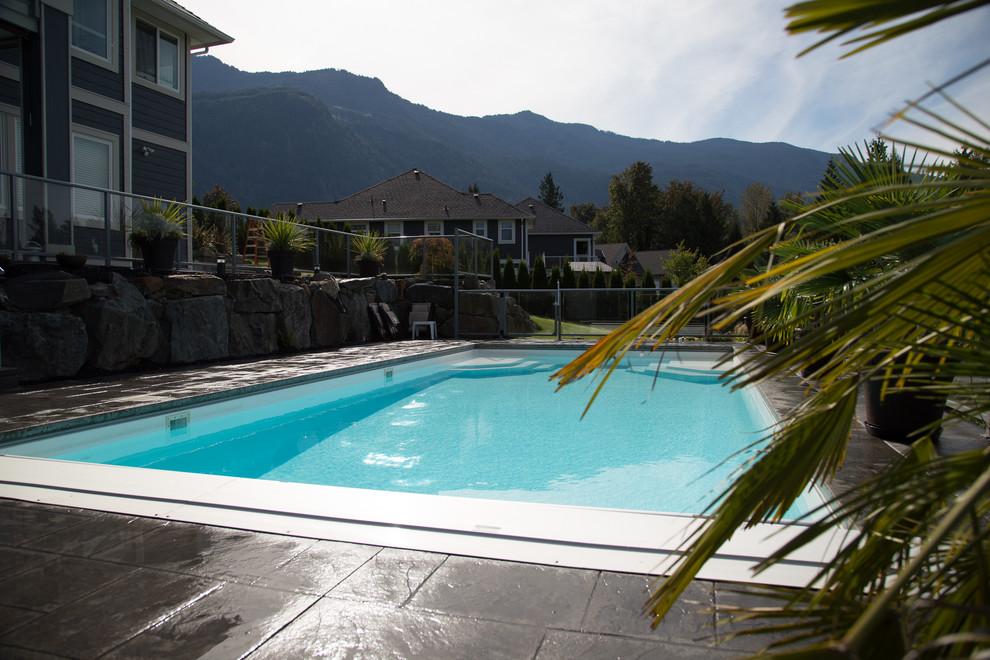
And for most families, a freeform or rectangle fiberglass pool fits perfectly. It gives you a place to cool off, play games, and hang out without turning your yard into a mud pit for half the year. You can even hook up smart pool equipment to your fiberglass shell to control lights and heat from your phone
What Else Am I Gonna Pay for With Concrete?

Let’s be honest about the extra stuff that comes with a concrete pool. Folks see a pretty waterfall or a curvy shape and get stars in their eyes. And hey, it does look nice. But all that extra stuff comes with a price tag that never really goes away. Those fancy water features need more pumps. More pumps mean more power. More power means a bigger bill every single month. And let’s not even start on the upkeep. It is a lot.
Here is where that money hides:
- The Heat Just Leaves. Concrete is lousy at holding onto warmth. You know how a coffee mug gets cold fast if it is not insulated? Same deal. You pay to heat the water, and the ground just sucks that heat right out. You end up running the heater way more than you should. Fiberglass holds the heat in better. Plain and simple. That means a smaller bill from the power company.
- Chemicals and Scrubbing. Concrete is bumpy and full of tiny holes, even if it feels hard to your hand. Water and gunk get in those holes. Algae loves it in there. You end up buying more chemicals just to keep the water from turning green. And you spend a lot of Saturday mornings with a brush in your hand trying to scrub black spots off the wall. With fiberglass, the shell is smooth like a dinner plate. Nothing really sticks to it. You use less stuff to keep it clean.
- It Tears Up Feet and Swimsuits. Any mom or dad knows this pain. The kids swim all weekend and by Sunday night, their toes are raw and red from the rough bottom. And the swimsuits? They get all fuzzy and worn out way too fast. Concrete is just rough. A fiberglass pool has a smooth coat on it. It is soft on your feet and it will not wreck your brand new bathing suit.
How Long Will a Fiberglass Pool Really Hold Up?
I get why you would ask that. Concrete feels like it should last forever because it is heavy and thick like a sidewalk. But a good fiberglass pool will sit in your yard for a good 25 to 35 years and not need a thing. No big fixes. The color is cooked right into the shell. You do not have to paint it or slap new plaster on it every few summers.
And that material? It is tough stuff. They build boats out of it. Boats that sit in salt water and pound through waves all day. Your pool just sits in the backyard. It can handle the sun and the rain just fine. Plus, it is all one giant piece. There are no seams for water to sneak out of. With a vinyl liner pool, you always worry about a leak. Not here.
Why Is Everyone Going This Route Now?
It just makes sense for how we live today. Everyone is running around like crazy. Soccer practice. Work. Groceries. Nobody has time for a backyard that is torn up for six months. And nobody wants to spend their free time fixing cracks in the pool deck.
We all want the same thing. We want to come home, jump in cool water, and relax. We do not want to scrub walls. We do not want to get slapped with a fat bill for resurfacing right when we are trying to save up for a trip to the beach.
If you are sick of staring at a dirt patch or you are just starting to dream about a pool for when the weather warms up, take a look at a shell that goes in quick and stays nice for decades. Over at Kinsley Pools, we help people make the switch all the time. We get you out of the mud and into the water faster than you would believe. Give us a ring and we can figure out what fits best in your yard.