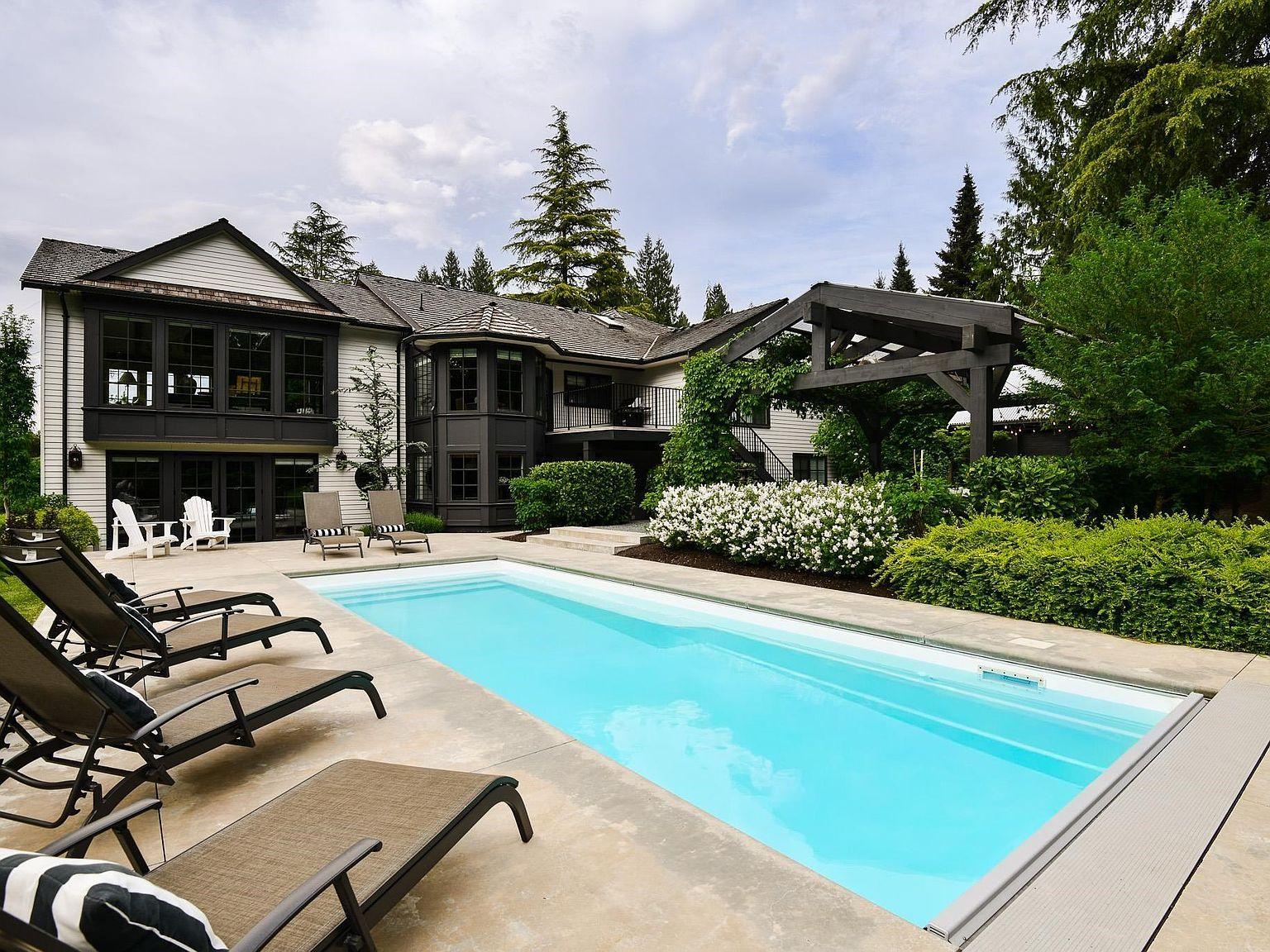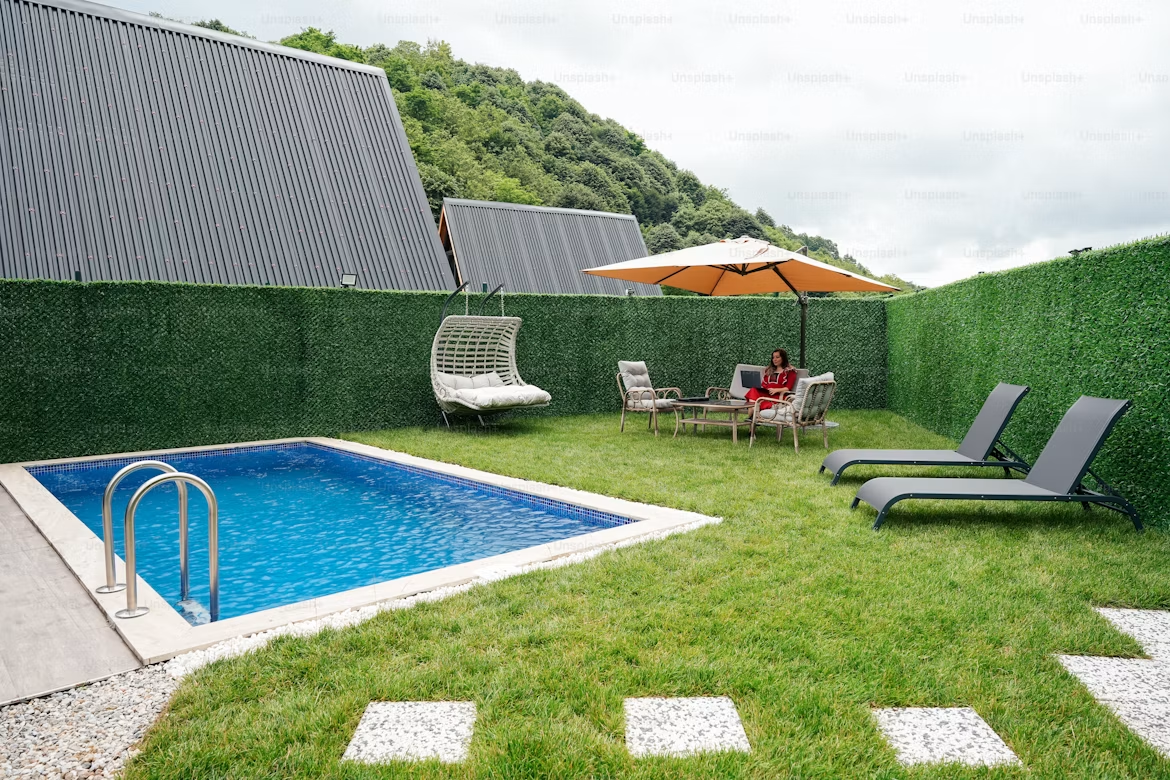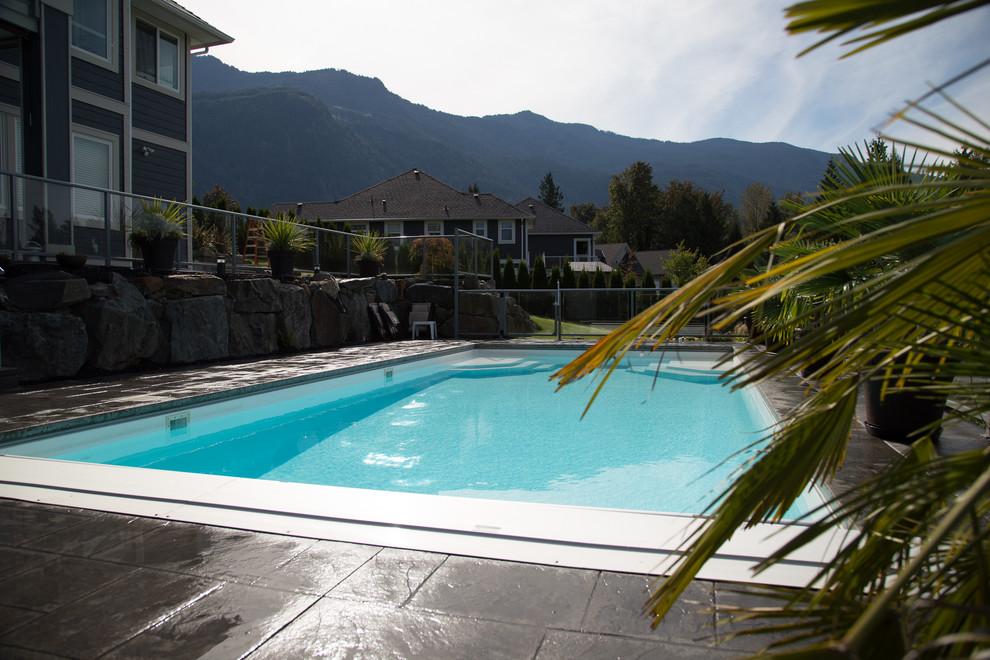
Your pool has been there for years. It has seen countless summer days. Kids splashing around. Weekend barbecues. Late night swims under the stars.
But lately, it is not looking so good. The surface is rough. The colour is fading. Maybe there are cracks. Maybe it leaks. You are staring at it thinking, do I fix this thing or just rip it out and start over? Understanding concrete vs fiberglass pools pros and cons can make this decision a lot easier.
It is a fair question. Pools are not cheap to maintain, and they are definitely not cheap to replace. But here is the thing. The answer is not always straightforward. It depends on what kind of pool you have, how old it is, and what exactly is wrong with it. In many cases, homeowners start looking at pool upgrade explained options before making a full replacement decision.
Across Canada, homeowners face this decision every year. In Courtenay, BC, the city council recently had to choose between repairing, renovating, or replacing an aging outdoor pool. Repair was cheapest at $5.2 million but would only last five years. Renovation was $14.4 million and would last 20 years. Replacement was $32.5 million but good for 75 years. They went with replacement.
Your backyard pool is smaller scale, but the same thinking applies. Let me walk you through how to figure out which move makes sense for you.
The Numbers Game Up Front
First, let us talk dollars because that is what it always comes down to.
If you are thinking about full fibeglass pool replacement, you need to know what you are in for. In Canada, a brand new inground pool will set you back anywhere from $60,000 to $120,000 on average. Small pools might start around $45,000, while big custom builds with all the bells and whistles can easily top $150,000.
Breaking it down by type helps.
Vinyl liner pools are the budget option. You are looking at $45,000 to $75,000 installed. But remember, liners only last 8 to 12 years and cost $4,000 to $7,000 to replace each time.
Fiberglass pools sit in the middle. Expect to pay $55,000 to $95,000. They go in fast, sometimes in a week, and need less maintenance over the years.
Concrete pools are the premium choice. You are spending $75,000 to $150,000 or more. They take months to build but can be any shape you want. Downside is they need more upkeep and resurfacing every 10 to 15 years at $12,000 to $15,000 a pop.
If you are considering a fiberglass pool renovation, you are typically looking at resurfacing the gelcoat, fixing any cracks, and maybe updating equipment. That is a fraction of replacement cost.
What Restoration Actually Means

Restoration is not the same as repair. Repair is patching a leak or fixing a pump. Restoration is giving your pool a new lease on life.
For concrete pools, restoration usually means resurfacing. That old rough surface gets ground down and a new layer goes on. Sometimes it is plaster. Sometimes pebble finish. Sometimes even a fiberglass coating that bonds to the old surface and lasts 25 year.
For vinyl liner pools, restoration means a new liner. The old one comes out, measurements get taken, and a brand new custom liner goes in. Suddenly your pool looks brand new again.
For fiberglass pools, restoration means addressing the gelcoat. Over time, gelcoat can fade, get rough, or develop spider cracks. A good restoration sands it down and applies new coating. The pool stays in the ground, keeps its shape, but looks and feels new.
The big advantage of restoration is you keep your existing structure. No massive excavation. No tearing up your whole yard again. No fighting with access issues all over again.
The Courtenay Example
Let me give you a real example so you can see how the numbers play out.
Up in Courtenay, BC, the city had an old pool that was pretty much done. They had to decide what to do with it. Here is what they found when they crunched the numbers. CBC.ca (city of Courtenay)
They could patch it up for $5.2 million. But that would only buy them five more years before it needed sorting again.
They could give it a proper renovation for $14.4 million. That would keep it going for 20 years.
Or they could rip it out and build a whole new pool for $32.5 million. That new one would last 75 years.
Do the math and it tells you something. Renovation cost 44% of what replacement would cost and gave them 20 years instead of 75. Repair cost 16% of replacement for only five years.
For your backyard pool, the same thinking applies. If your pool is solid underneath but just looks tired, restoration might cost you 20% to 40% of a whole new pool and give you another 15 to 25 years. That is decent value.
But if your pool has bigger problems, if the walls are moving, if the shell is cracked bad, if the plumbing is wrecked, then fixing the surface is just making an old mess look pretty for a bit. You need to start over.
When Restoration Makes Sense
Here is when you should think about restoring instead of replacing.
The bones are good. No major cracks. No signs the pool is shifting or settling. The structure underneath is solid.
It is just cosmetic. Faded surface. Rough feel. Stains that will not budge. Colour you hate. All of that can be fixed with resurfacing.
The equipment still works. Pump, filter, heater are doing their job. Maybe they could use an upgrade, but they are not dead yet.
You like the size and shape. Your pool works for how you use it. No need to change what is not broken.
You want to save money. Restoration is almost always cheaper. Sometimes way cheaper.
You do not want to wreck your yard. Replacement means digging. Digging means tearing up everything around the pool. Restoration leaves your patio, decking, and plants right where they are.
A good fiberglass pool renovation can give you a new surface, new LED lights, maybe even water features, all without pulling the pool out of the ground.
When Replacement Is the Smarter Move
Other times, you just need to accept it and start fresh. That is where expert pool replacement in Maple Ridge often comes into the conversation.
The structure is failing. If the shell is cracked through, if the walls are bowing, if it leaks more than you can fix, replacement is the only answer.
You want something different. Maybe your pool is too small. Maybe you want a different shape. Maybe you want a spa attached. If you want changes that big, start over.
The pool is ancient. If your pool is 40 or 50 years old, the materials are tired. Even after restoration, things will keep failing. New pools use better stuff and need less looking after.
Everything is shot. If pump, filter, heater, and plumbing all need replacing, those costs add up. Sometimes it makes more sense to put that money toward something new.
You are sick of maintenance. Newer pools, especially fiberglass, need fewer chemicals and less work. If you are tired of spending your weekends on pool care, a new low-maintenance pool might be worth it.
You are planning to sell. A brand new pool looks great to buyers. A restored old pool still looks like an old pool to some people. If you want top dollar, new can help.
The Timeline Difference
Time matters too.
A full pool replacement, especially concrete, can take months. You lose a whole swimming season sometimes. Fiberglass goes faster, a few weeks, but still disrupts your yard.
Restoration is quicker. Liner replacement takes a few days. Resurfacing a concrete or fiberglass pool might take a week. You are back in the water faster.
If you want to swim this summer, restoration gets you there sooner.
FAQs
Depends on what you do. New vinyl liner: 8 to 12 years. Concrete resurfacing: 10 to 15 years. Fiberglass coating: up to 25 years with some products.
Restoration typically costs 20% to 40% of full replacement. A $60,000 replacement might cost $12,000 to $24,000 to restore. Savings add up fast.
Not really. Restoration works with what you have. If you want a different shape, you need replacement.
Usually sanding down the old gelcoat, repairing any cracks or damage, and applying a new coating. Sometimes equipment upgrades at the same time.
If leaks are from cracks in the shell, resurfacing can seal them. If leaks are from plumbing, you need a plumber regardless. If the structure is failing, restoration won’t help.
Yes, but not as much as a brand new pool. Buyers see restored as an older pool that has been fixed up. New is new. But both add value compared to a wreck.
Get a professional inspection. A good pool contractor can tell you if the structure is sound. If it is, restoration makes sense. If not, start budgeting for replacement.
Depends where you live. Ontario municipalities require permits for some work. Electrical work always needs permits and licensed electricians. Check local bylaws.
Some things, like swapping equipment, maybe. Resurfacing? No. That is skilled work. Get a pro. Bad DIY resurfacing looks terrible and fails fast.
Ask neighbours with pools. Look for companies that have been around. Check reviews. Ask to see before and after photos of similar work. Get multiple quotes. A good one will be happy to explain options.
The Bottom Line
If your pool is structurally sound and you like where it is, restoration is almost always the smarter money. You keep what works, fix what does not, and spend a fraction of replacement cost.
If your pool is falling apart, or you want something completely different, replacement wins. New pool, new features, new everything. Costs more, takes longer, but you get exactly what you want.
The Courtenay example shows the math. Restoration at 44% of replacement gave them 20 years instead of 75. For some people, that trade-off works. For others, spending more for longer life makes sense.
For your backyard, think about how long you plan to stay. If you are there for the long haul, replacement might pay off. If you might sell in five or ten years, restoration gets you through with money in your pocket.
Talk to Kinsley Fiberglass Pools. Get eyes on your pool. Ask us straight up: restore or replace? Our experts will tell you the truth.
Either way, you end up with a pool you can enjoy again. And that is what matters.